
View the summary of the news
- The U.S. Supreme Court denied Donald Trump’s efforts to limit birthright citizenship in the country.
- The 6-3 decision upheld the suspension of an executive order impacting children born in the United States.
- The Trump policy sought to prevent children of non-citizens or permanent residents from obtaining citizenship.
- Around 250 thousand infants each year could be affected by the limitation, according to estimates from experts.
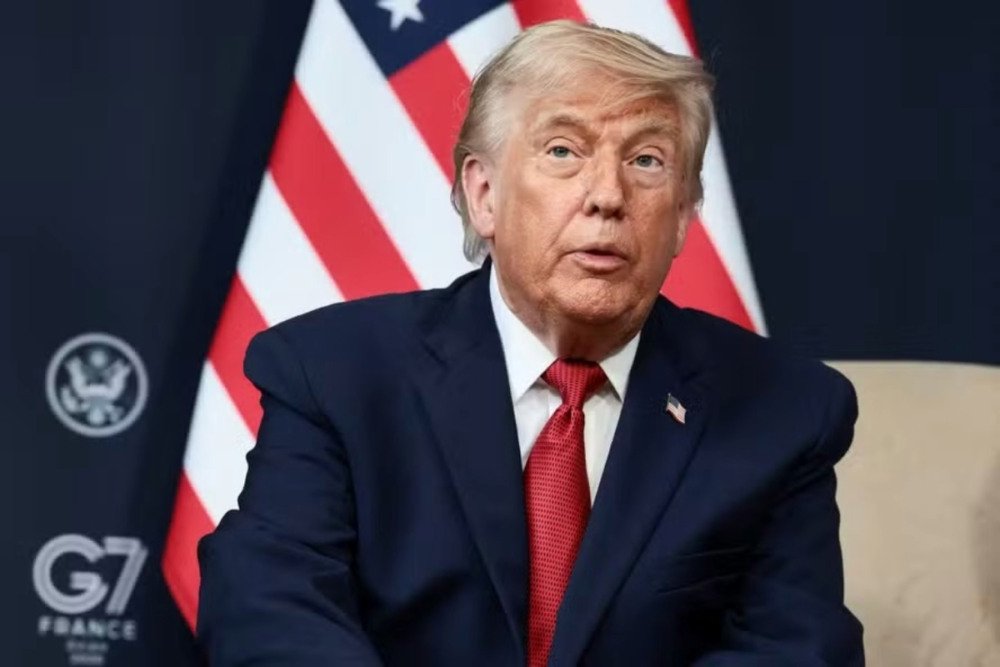
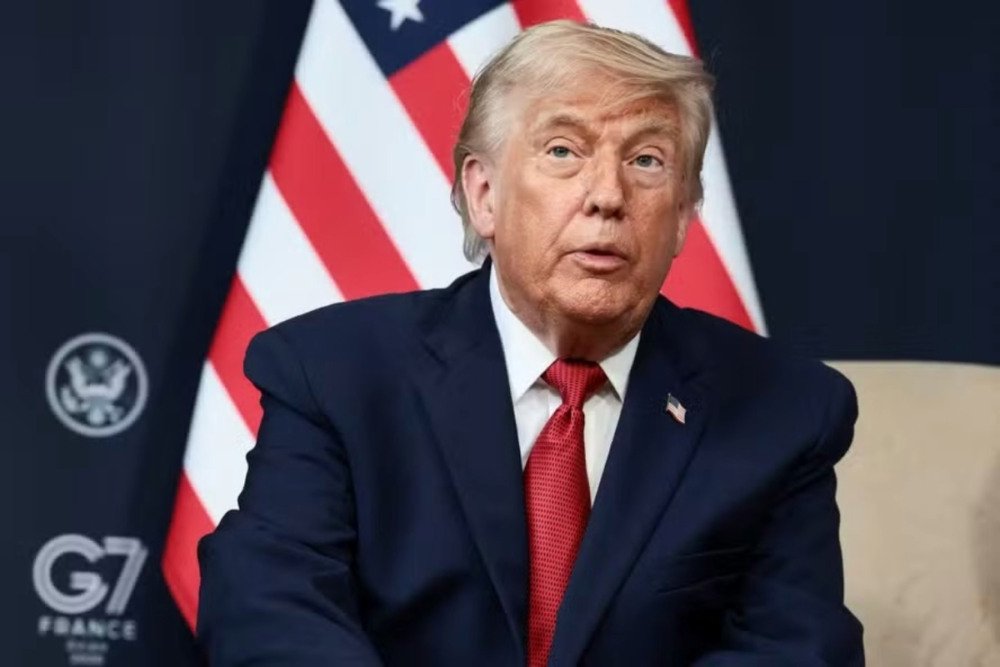
The United States Supreme Court denied President Donald Trump’s effort to limit birthright citizenship in the country, marking a setback for a key immigration policy of the government.
Ministers voted 6-3 to uphold the lower body’s ruling that suspended Trump’s executive order. The order stated that federal agencies would not acknowledge the citizenship of children born in the U.S. if neither parent was a U.S. citizen or green card holder.
The president suffered another significant loss in the Supreme Court this year, marking the second defeat. In February, ministers rejected the government’s global tariff package.
Understand the deadlock.
The authors of the lawsuit argued that the executive order goes against the 14th Amendment of the US Constitution, which ensures citizenship to individuals born in the country and under its authority.
Trump signed a decree on the first day of his new term as part of a set of measures to strengthen migration policy. The government stated that birth on U.S. soil alone would not automatically grant citizenship rights.
Only the offspring of American citizens or permanent residents would be automatically recognized in the White House evaluation, whereas the children of undocumented immigrants or those with temporary visas would not be included under the provision.
Experts predicted that the proposal could impact around 250,000 infants annually and pose challenges for numerous families in verifying their children’s nationality.
The Supreme Court has been involved in collective action.
The ministers studied a case that began with a joint effort filed in New Hampshire by parents and children at risk of losing their citizenship rights if the order was implemented.
The American Constitution declares that individuals born or naturalized in the United States and under its authority are considered citizens of the country. Throughout history, this principle has had limited exceptions, such as the children of foreign diplomats.
The government contended in court that the phrase “subject to its jurisdiction” should have a narrower interpretation, linking citizenship rights to the parents’ designated “legal and permanent home.”
The authors of the lawsuit have argued that the established interpretation by the Supreme Court since 1898 in the case of United States vs. Wong Kim Ark already ensures birthright citizenship, even for children of non-citizens.
Trump supported the change for an extended period.
Citizenship by birth has been a constitutional provision since 1868 with the ratification of the 14th Amendment, aimed at guaranteeing rights to former slaves and their offspring after the Civil War.
Trump has frequently mentioned in recent years his plans to reassess this agreement, citing concerns about potential “birth tourism” incentivized by the rule.
Government officials acknowledged during the trial that they lacked official data to confirm the scale of this occurrence.
Suprema supports both positive and negative government rulings.
The Supreme Court has supported the Trump administration in other immigration cases, despite losing this particular case.
Ministers have recently approved the removal of humanitarian protections for specific immigrant groups, expanded the window for deportations, and supported stricter border control measures.
The court set boundaries for the Executive branch in recent rulings, including blocking restrictions on birthright citizenship and dismissing Trump’s attempt to remove Lisa Cook as the Federal Reserve director on Monday.
- Global
- Global village
- Policy
- Donald Trump
- United States
- Federal Reserve
- Immigración
- Supreme Court

